Plumbing tips and seasonal maintenance for Chattanooga homeowners

Early September is the right time to check your plumbing before cooler temperatures, heavier fall rain, and increased indoor water use expose small problems. Use this practical year-round maintenance framework to complete quick DIY checks now, then call a professional when a warning sign requires specialized tools or experience.
Seasonal plumbing maintenance is not limited to one major fall checklist. A better approach is to make short inspections part of your routine throughout the year, with extra attention during Chattanooga’s transitions between hot summers, heavy rain, and occasional freezes.
Start with the simple checks below. If you find an active leak, sewer backup, loss of water, or a failing water heater, contact Provision Plumbing for a clear assessment and next steps.
Begin with a 15-minute whole-home walkthrough
Before focusing on individual fixtures, walk through your home and look for changes. You do not need specialized equipment to catch many early warning signs.
Check these areas:
- Under kitchen and bathroom sinks
- Around toilets and supply lines
- Near the water heater and shut-off valves
- Around washing machine hoses
- In basements, crawl spaces, garages, and utility rooms
- Around outdoor hose bibs and visible foundation drains
Look for moisture, rust, mineral deposits, warped cabinets, peeling paint, musty odors, or unexplained puddles. A small sign does not always mean a major repair is needed, but it should not be ignored.
Also locate your main water shut-off valve. Confirm that household members know where it is and how to turn it off if a pipe breaks.
Care for drains before slow flow becomes a clog
Summer often brings extra showers, outdoor entertaining, laundry, and kitchen use. By early fall, hair, soap residue, food particles, and grease may already be restricting drain flow.
Quick drain checks
- Remove and clean sink and shower strainers.
- Pull visible hair from tub and shower drains.
- Run warm water through bathroom sinks after cleaning the stopper.
- Use a drain screen in the kitchen sink.
- Keep fats, oils, and grease out of the drain; allow them to cool and place them in the trash.
- Do not flush wipes, paper towels, cotton products, or other non-dissolvable materials.

Pay attention to slow drainage, gurgling, recurring clogs, sewage odors, or water backing up into another fixture. One slow sink may have a localized blockage. Several slow fixtures at the same time can point to a larger drain or sewer line problem.
Avoid repeatedly using harsh chemical drain cleaners. They may not resolve the underlying obstruction and can create hazards for anyone who later works on the line. If a clog keeps returning, professional plumbing repairs can identify the cause instead of treating the symptom.
Check your traditional or tankless water heater
Cooler outdoor temperatures usually mean more hot water use. Early fall is a practical time to inspect your system, especially if your hot water has become inconsistent or your energy bills have changed.
If you are searching for “water heater Chattanooga” service, start by identifying whether you have a traditional tank-style unit or a tankless system. Each needs different maintenance.
Traditional water heater checks
Look around the tank for:
- Water at the base or around connections
- Rust, corrosion, or mineral buildup
- Dampness near the temperature-and-pressure relief valve
- Popping, rumbling, or banging during operation
- Inconsistent hot water
- A noticeable decline in recovery time
A temperature setting around 120°F is commonly recommended for balancing comfort, safety, and efficiency, but follow your equipment manufacturer’s instructions and household needs. If the tank itself is leaking, do not attempt to patch it. A professional can determine whether the issue is a fitting, valve, connection, or failed tank.
Traditional water heaters may also need periodic flushing to remove sediment. Because this involves hot water, shut-off procedures, drainage, and sometimes gas or electrical equipment, schedule professional maintenance if you are not fully comfortable with the process.
Tankless water heater checks
Tankless systems do not store hot water in a tank, but they still require attention. Mineral scale can build up inside the heat exchanger and reduce performance over time.
Watch for:
- Fluctuating water temperature
- Reduced hot water flow
- Error codes
- Longer wait times for hot water
- Unusual noises
- A maintenance light or service notification
A professional descaling flush can help protect the heat exchanger and maintain performance. Provision Plumbing provides traditional and tankless water heater repair and replacement for homeowners throughout the greater Chattanooga area.
Use a simple water-meter test to find hidden leaks
Some plumbing leaks are easy to see. Others occur behind walls, under floors, or underground. A water-meter test can help you determine whether water is moving through the system when no fixtures are in use.
- Turn off faucets, appliances, ice makers, and irrigation.
- Record the water meter reading.
- Avoid using water for one to two hours.
- Check the meter again.
If the reading changes, your home may have a leak. The test does not identify the exact location, so look for additional clues:
- A toilet that runs or refills without being flushed
- Damp flooring near a bathroom
- Staining on walls or ceilings
- A sudden increase in water usage
- Soggy areas in the yard
- Hissing or dripping sounds when the home is quiet
Do not wait for visible damage before requesting an inspection. Early leak detection can help protect flooring, drywall, cabinets, insulation, and the foundation.
Inspect outdoor spigots and hose bibs now
Your outdoor plumbing has worked hard through the summer. Before the first freeze, inspect each hose bib for dripping, cracking, loose fittings, or reduced water pressure.
Complete these steps:
- Remove garden hoses from every outdoor spigot.
- Check hose washers and fittings for damage.
- Turn the spigot on briefly and watch for leaks around the handle and connection.
- Look inside the home for moisture near the interior side of the hose bib.
- If there is an indoor shut-off valve, confirm that it operates properly.
- Before freezing weather, shut off and drain the line when the plumbing configuration allows it.
- Add an insulated faucet cover where appropriate.

A hose left connected can trap water in the fixture and increase freeze damage risk. If you hear water spraying inside the wall, see a leak when the outdoor faucet runs, or notice weak pressure, stop using the fixture and schedule an inspection.
Watch sewer line warning signs before fall rain
Fall leaves and heavy rain can make existing drainage problems more noticeable. Roots, settled soil, deteriorated pipe sections, and accumulated debris may restrict a sewer line before a complete backup occurs.
Call for an assessment if you notice:
- Multiple slow drains
- Toilets that gurgle when sinks or tubs drain
- Recurring backups
- Sewage odors near clean-outs or inside the home
- Standing water or unusually soggy ground
- Changes in the yard along the sewer line path
A sewer camera inspection can help locate blockages, root intrusion, cracks, or damaged sections without immediately excavating the property.
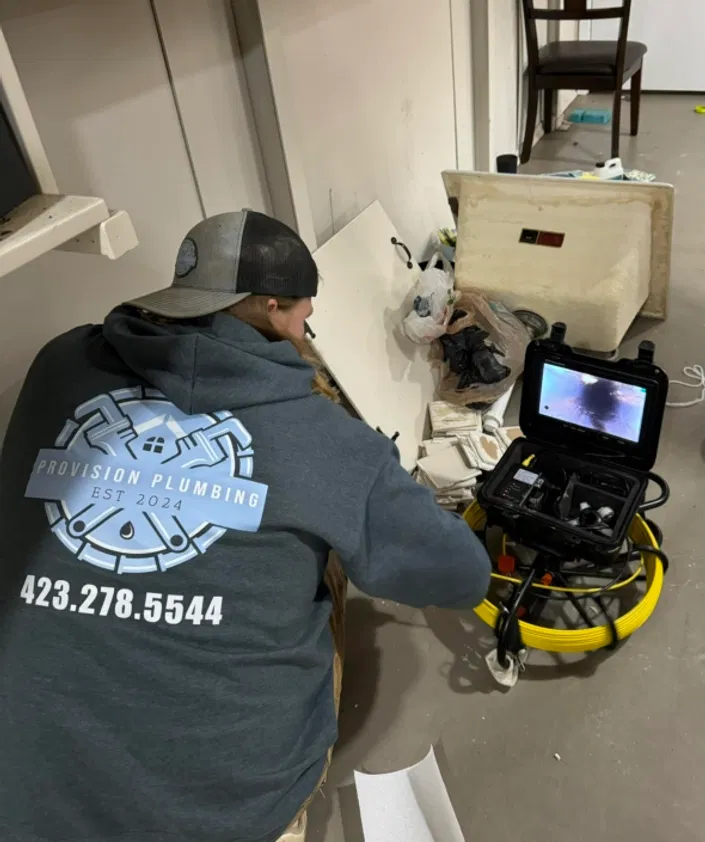
Do not rely on repeated chemical treatments when symptoms continue. A professional diagnosis can help you choose the right repair and reduce the chance of a disruptive backup.
Keep gutters and downspouts moving water away
Gutters are part of your home’s water-management system. When leaves and debris block the gutters, roof runoff can spill beside the foundation and contribute to basement or crawl-space moisture.
At the end of summer and again after major leaf drop:
- Remove leaves, twigs, and roof debris.
- Flush gutters with a garden hose if it is safe to do so.
- Confirm that downspouts are not blocked.
- Make sure extensions or splash blocks move water away from the foundation.
- Look for low areas where water collects near the home.
- Check crawl spaces and basements after heavy rain.
Gutter maintenance will not fix a damaged sewer line or failing sump pump, but it can reduce unnecessary water around your foundation and plumbing infrastructure.
Know when DIY maintenance should end
Quick inspections are useful, but some conditions require professional service. Stop troubleshooting and call a licensed plumber if you have:
- An active or spreading leak
- A burst pipe or loss of water
- A sewer backup
- Water around electrical equipment
- A leaking water heater tank
- Gas odor near a gas-fired appliance
- Persistent low water pressure
- Multiple fixtures backing up together
If you search for “emergency plumbing Chattanooga” during a late-night leak or overflow, Provision Plumbing is available 24/7. Shut off the water if it is safe, move valuables away from the affected area, and call for help.
Schedule a plumbing check before a small issue becomes an emergency. Provision Plumbing serves Chattanooga, Cleveland, East Ridge, Red Bank, Hixson, Signal Mountain, Ooltewah, Soddy-Daisy, Harrison, Collegedale, Jasper, Sale Creek, and surrounding communities.
Why homeowners choose Provision Plumbing
Homeowners comparing plumbing companies in Chattanooga TN want more than a quick arrival. They need honest recommendations, respectful service, and repairs that protect the property for the long term.
Provision Plumbing provides:
- ✅ Licensed and insured technicians
- ✅ Locally owned and operated service
- ✅ 24/7 availability for plumbing emergencies
- ✅ Free estimates
- ✅ One-year workmanship warranty
- ✅ Clean, respectful technicians
- ✅ No pushy upsells: just practical solutions
- ✅ Residential, commercial, and new construction plumbing
- ✅ Water heater, drain, leak, sewer, and grinder pump expertise
Whether you are looking for plumbers in Chattanooga, Chattanooga TN plumbers, or “residential plumbers Chattanooga,” call Provision Plumbing at 423-278-5544 or schedule service online. We will assess the situation, explain your options, and help you prepare your home for the season ahead.

