Frozen Pipes in Chattanooga: What to Do in the First Hour (and When to Call an Emergency Plumber)
If a pipe freezes, act promptly: check for leaks, shut off the water before thawing, and use only gentle heat on an accessible pipe. If a pipe has burst, the leak is hidden, or the area is unsafe, leave the repair to a plumber.
Chattanooga winters are often mild overall, but a hard freeze can still catch homeowners off guard. Pipes in crawl spaces, garages, exterior walls, and other unheated areas are especially vulnerable, whether you’re in Chattanooga, Soddy-Daisy, Hixson, Signal Mountain, Ooltewah, Red Bank, or East Ridge.
A frozen pipe can crack and begin leaking as it thaws. Here’s what to look for, what to do in the first hour, and when to call for emergency plumbing in Chattanooga.
Warning signs a pipe may be frozen
A frozen pipe isn’t always visible. Check for these signs when temperatures drop:
- Little or no water from one faucet, while other fixtures still work.
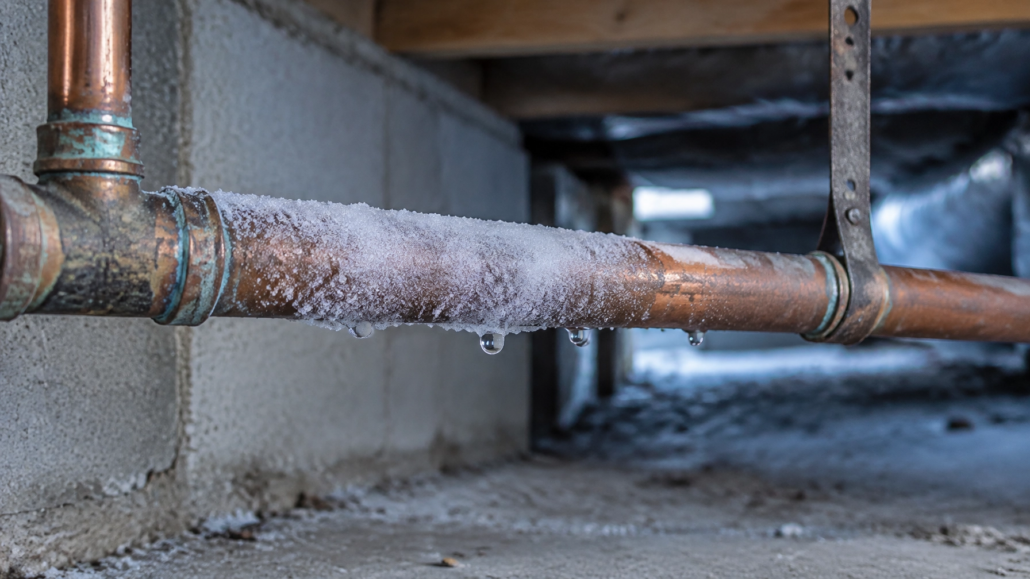
- Frost or ice on an exposed pipe.
- Unusual odors from a drain or faucet, which may indicate ice is blocking normal airflow.
- A leak, damp spot, or bulging area around a pipe, wall, ceiling, or floor.
If several faucets stop working, or you notice water damage, treat the situation as urgent. Don’t wait for a frozen pipe to thaw on its own if it may be cracked or difficult to reach.
The first hour: what to do, step by step
Minutes 0–5: Check for immediate hazards
Look for active water, wet flooring, ceiling stains, and frost on exposed pipes. If water is near outlets, appliances, or electrical equipment, stay out of the wet area. Don’t walk through standing water to reach an electrical panel.
If you see an immediate electrical or other life-safety danger, move to a safe place and call 911. Otherwise, keep people and pets away from the affected area while you assess the plumbing.
Minutes 5–10: Shut off the water if a pipe is leaking, or before thawing
If a pipe has burst or is actively leaking, close the home’s main water shutoff valve right away. The valve is commonly near where the water service enters the home or near the water meter. If you know there’s a working local shutoff for the affected fixture or branch, you can close that too.
If you suspect a pipe is frozen but don’t see a leak, keep the affected faucet open and shut off the main water supply before attempting to thaw. This helps limit water damage if the pipe has cracked. Don’t force a stuck or damaged shutoff valve; call a plumber for help.
Minutes 10–45: Thaw only a safe, accessible pipe
A small, accessible frozen section may be safe to thaw yourself if there is no leak, you can reach it without entering a hazardous area, and you have already shut off the main water. Keep the faucet open so water can flow as the ice melts.
Use gentle, gradual heat. Options include a hair dryer, an electric heating pad, or towels soaked in warm water. You can also warm the room around the pipe. Work slowly and keep any electrical device away from water.
Never use an open flame, including a blowtorch, or a charcoal, propane, or kerosene heater to thaw a pipe. These methods can cause a fire or damage the pipe. Don’t leave a portable heater unattended.

Minutes 45–60: Restore water carefully and check for leaks
After the pipe has thawed, open the main shutoff slowly and look closely at the pipe, joints, nearby walls, floors, and ceilings. Watch for drips, dampness, or signs that water is escaping somewhere out of sight.
If a leak appears, turn off the main water again and call a plumber. If you find no leak, monitor the area as water pressure returns. For guidance on frozen pipes and safe thawing, review the American Red Cross frozen-pipe advice.
When it’s safer to call a 24/7 emergency plumber
Call a professional instead of continuing a DIY thaw if:
- A pipe has burst, cracked, or is actively leaking.
- The frozen section is inside a wall, ceiling, crawl space, or other hard-to-reach area.
- You can’t find or safely operate the main shutoff.
- More than one area of the home has lost water, or the pipe won’t thaw with gentle heat.
- Water is near electrical equipment or you’re unsure whether the area is safe.
A plumber can identify the affected section, help limit further water damage, and assess whether the pipe or nearby connections need repair. If you’re unsure whether it’s an emergency, call and describe what you see before attempting a repair.

Provision Plumbing is available 24/7 for frozen and burst pipes in Chattanooga and surrounding communities. Call or text 423-278-5544 for help assessing what to do next. Learn more about 24/7 emergency plumbing service.
Quick prevention steps before the next hard freeze
A few simple steps can help reduce the chance of a frozen pipe:
- Let vulnerable faucets drip or trickle during sustained freezing weather. A small flow can help prevent water from freezing in exposed pipes.
- Open sink-cabinet doors so warmer room air can reach pipes along exterior walls. Keep household cleaners away from children and pets.
- Insulate exposed pipes in unheated spaces such as garages, crawl spaces, and basements.
- Disconnect outdoor hoses and close or drain outdoor faucets where possible.
- Keep indoor heat steady during cold weather, including overnight. If you’ll be away, arrange for someone to check the home.
- Locate your main water shutoff now. Knowing where it is before a leak starts can save valuable time.
For more cold-weather preparation advice, see FEMA’s winter safety guidance.

Need help with a frozen or burst pipe?
Don’t wait if water is leaking, the pipe is hidden, or you can’t safely shut off the supply. Call or text Provision Plumbing at 423-278-5544, available 24/7 to talk through the situation and arrange service. You can also contact Provision Plumbing for a free estimate.
Trust and credentials
- ✓ Licensed and insured plumbing company
- ✓ Locally owned and operated in the Chattanooga area
- ✓ 24/7 emergency availability
- ✓ Free estimates
- ✓ 1-year workmanship warranty
- ✓ Clean, respectful technicians and practical recommendations without pushy sales tactics
