Sewer Line Backup 101: A Beginner’s Guide to Mastering Summer Storm Prep in Chattanooga
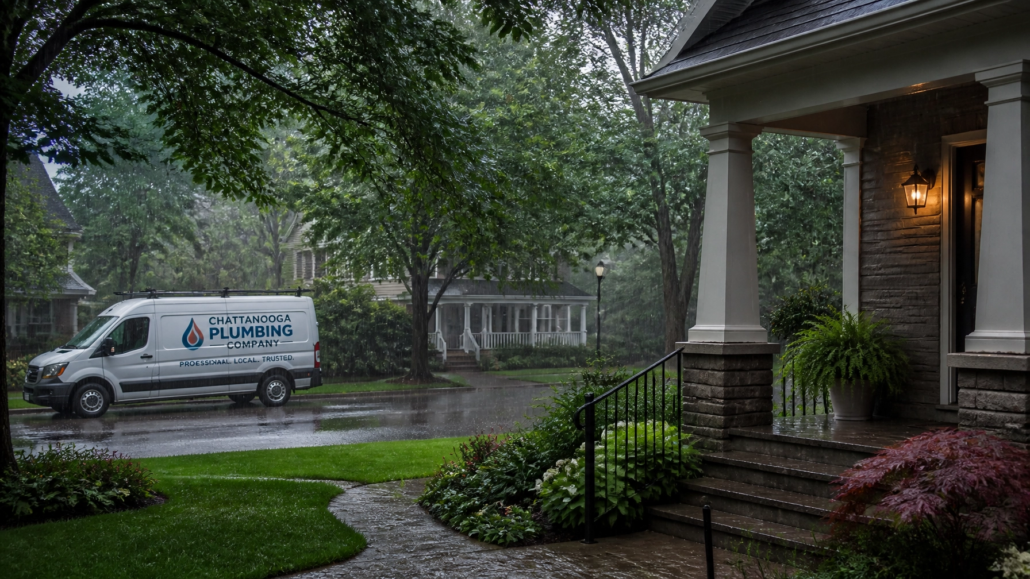
Chattanooga summers are famous for their humidity and their sudden, intense rainstorms. While these storms cool things down, they also put an incredible amount of pressure on your home’s sewer system. If you aren't prepared, that heavy rainfall can quickly turn into a messy, expensive sewer backup in your basement or crawlspace. This guide covers the essential steps every Chattanooga homeowner should take to protect their property from storm-driven plumbing disasters.
When the clouds turn dark over Lookout Mountain, most of us think about closing the windows or bringing in the porch cushions. But as experienced plumbers in chattanooga, we know the real action is happening underground. Your sewer line is the most critical: and often most ignored: part of your home's infrastructure. When a summer deluge hits, the city's main sewer lines can become overwhelmed, and without the right protection, that water (and everything in it) has nowhere to go but back up into your home.
At Provision Plumbing, we see it every year. A homeowner calls us in a panic because their floor drain is bubbling or their toilet won't flush right as the rain starts to pour. These aren't just "bad luck" scenarios; they are often preventable issues caused by a combination of old pipes, aggressive tree roots, and a lack of storm-specific prep.
Why Summer Storms Trigger Sewer Backups
It might seem strange that rain falling on your roof affects the pipes buried six feet under your yard, but the connection is direct. In many parts of Chattanooga, especially older neighborhoods, the infrastructure faces a few specific challenges:
- Saturated Soil Pressure: Heavy rain soaks the ground, causing the soil to expand and shift. This puts physical pressure on older clay or cast-iron pipes, which can cause them to crack or collapse.
- Root Expansion: Summer is peak growing season. Tree roots seek out moisture, and the tiny condensation on the outside of a sewer pipe is like a magnet. Once they find a small crack, they grow inside, creating a "net" that catches debris and causes clogs.
- Inflow and Infiltration: When the city's main sewer lines fill up with stormwater, it creates "backpressure." If your home is at a lower elevation than the nearest manhole, that pressure can push sewage backward into your service lateral and up through your lowest drains.
The Warning Signs: Catch the Problem Before the Storm
You don't want to find out your sewer line is failing while you're standing in two inches of water. Keep an eye (and an ear) out for these early warning signs:
- The "Gurgle": If your toilet bubbles or gurgles when you run the shower or the washing machine, air is being trapped by a partial blockage.
- Multiple Slow Drains: One slow sink is a local clog. Three slow drains mean there is a bottleneck in the main line.
- The Ghost Smell: A persistent "rotten egg" or sewage smell in the basement or around floor drains is a sign that sewer gases are escaping: and water could follow.
- Lush Green Patches: If one spot in your yard is significantly greener or growings faster than the rest of the lawn during a dry spell, you likely have a leaking sewer pipe fertilizing the grass from below.
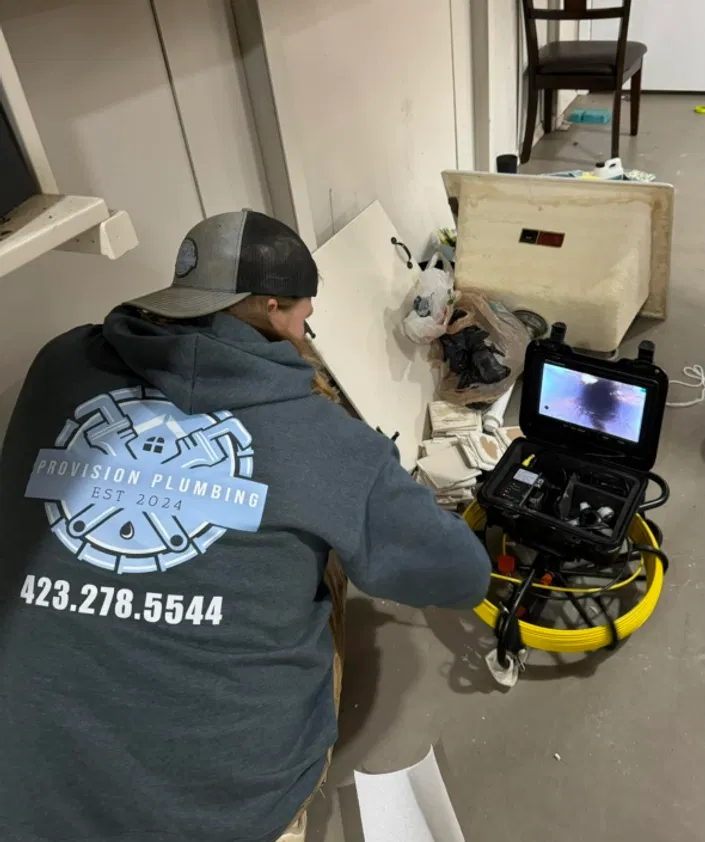
If you notice any of these, don't wait for the next thunderstorm. Call for emergency plumbing chattanooga homeowners trust to get a camera inspection immediately.
5 Proactive Steps to Protect Your Home
Prevention is always cheaper than a midnight cleanup. Here is how you can "storm-proof" your plumbing this summer.
1. Install a Sewer Backwater Valve
This is the single most effective piece of equipment you can own. A backwater valve is a one-way "check valve" installed in your main sewer line. It allows waste to flow out of your house, but if the city main starts to back up, a flap closes tight, preventing sewage from entering your home.

2. Inspect and Clear Tree Roots
As we mentioned, Chattanooga's beautiful trees are the natural enemy of your sewer line. We recommend a professional camera inspection every 1–2 years. If we find roots, we can clear them out using professional-grade augers or hydro-jetting before they cause a total blockage during a storm.
3. Divert Your Stormwater
Your gutters and downspouts should never dump water right next to your foundation. This water can seep down the side of your home and enter your sewer lateral through small cracks. Ensure your downspouts discharge at least 5 to 10 feet away from the house, preferably toward a street or a drainage ditch.
4. Check Your Sump Pump
If you have a basement, your sump pump is your last line of defense. Test it by pouring a bucket of water into the pit to ensure it kicks on. Since summer storms often cause power outages, we strongly recommend a battery-backup system so your pump keeps working even when the lights go out.
5. Review Your Insurance Policy
Many homeowners assume "flood insurance" covers sewer backups. It usually doesn't. You often need a specific "Sewer Backup Rider." Call your agent today: it’s typically an inexpensive add-on that can save you tens of thousands of dollars in restoration costs.
The "No-No" List: What Not to Flush
During a storm, your pipes are already stressed. Don't make it worse by adding things that don't belong there.
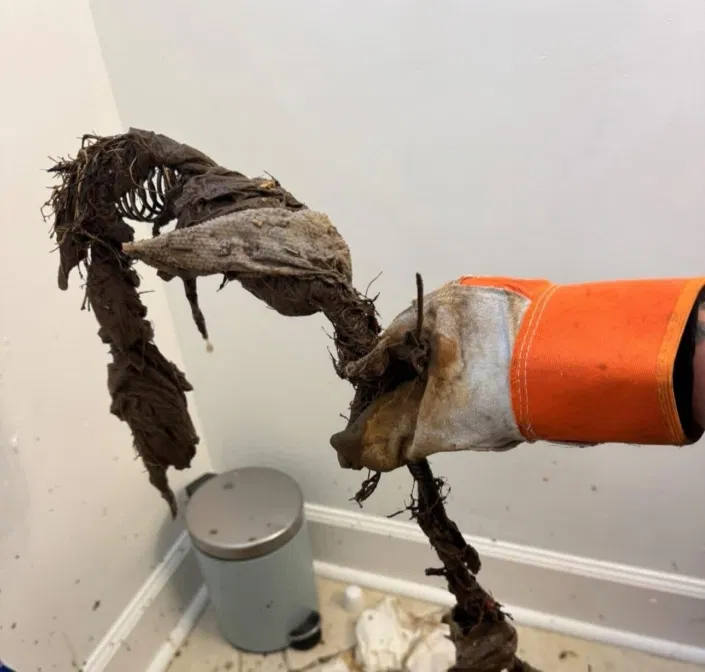
- "Flushable" Wipes: They aren't flushable. They don't break down like toilet paper and are the #1 cause of major clogs we see in Chattanooga.
- Fats, Oils, and Grease (FOG): These might be liquid when they're hot, but they solidify in the cool underground pipes, acting like glue for other debris.
- Paper Towels and Tissues: These are designed to stay together when wet, which is exactly what you don't want in your sewer line.
What to Do During a Backup Emergency
If you see water or sewage coming up through your drains during a storm, you need to act fast:
- Stop Using Water: Don't flush the toilet, run the dishwasher, or take a shower. Any water you send down the drain will only add to the backup.
- Safety First: Do not walk through standing sewage water. It contains harmful bacteria and poses an electrical shock hazard.
- Shut Off the Main Water: If the backup is severe, turning off your main water valve ensures no one in the house accidentally uses a fixture.
- Call the Pros: Contact Provision Plumbing at 423-278-5544. We offer 24/7 emergency plumbing chattanooga services and can be there quickly to assess the situation and start the repair.

Partnering with Chattanooga's Local Experts
Managing a home in the Tennessee Valley means staying ahead of the weather. At Provision Plumbing, we aren't just here to fix the mess after it happens; we're here to help you prevent it. Whether you need a simple drain cleaning, a backwater valve installation, or a full sewer line replacement, we provide the honest pricing and reliable service you deserve.
Thinking about your sewer line shouldn't keep you up at night. Let us take a look, give you a free estimate, and make sure your home is ready for whatever the next summer storm brings.

Why Choose Provision Plumbing?
We are committed to providing the highest quality service to our neighbors in Chattanooga. When you call us, you can expect:
- Licensed & Insured Experts: Professional service you can trust.
- 24/7 Emergency Response: We're here when you need us most, day or night.
- Honest, Flat-Rate Pricing: No hidden fees or aggressive upsells.
- 1-Year Workmanship Warranty: We stand behind every job we do.
- Locally Owned & Operated: We live and work in the same community you do.
Ready to protect your home? Call Provision Plumbing today at 423-278-5544 or visit provisionplumbingco.com to schedule your free estimate.

